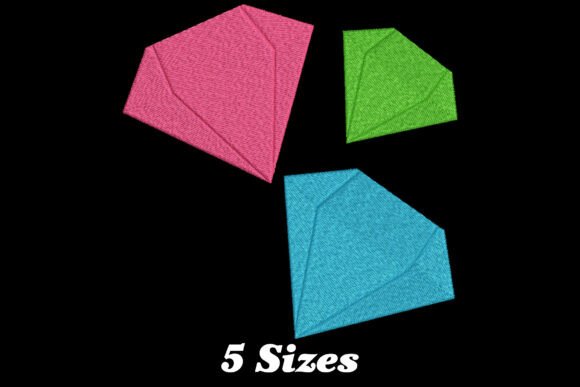
Evaluating the 3D Crystal Diamond Icon for Embroidery Projects
In the realm of machine embroidery, the search for designs that offer both visual impact and technical reliability is constant. The 3D Crystal Diamond Icon has emerged as a compelling option for those looking to elevate standard textile projects into something more distinctive. This design moves beyond simple flat stitching by utilizing specific digitizing techniques to create depth and dimension, mimicking the faceted look of a gemstone. For professionals and hobbyists alike, understanding the mechanics and application of this specific icon is essential before integrating it into a production workflow or personal collection.
Understanding the Design Mechanics and Aesthetic
The primary appeal of the 3D Crystal Diamond Icon lies in its construction. Unlike traditional single-color fills, this design relies on a combination of satin stitches, varied fill densities, and strategic color blocking to simulate light reflection. When executed correctly, the result is a textured surface that catches the eye from multiple angles. The "crystal" effect is achieved not through physical embellishments like rhinestones, but through the precise layering of thread.
This approach offers a distinct advantage: durability. Physical gems can loosen or fall off over time, especially on items subjected to frequent washing or heavy use. The embroidered version of the diamond icon maintains its integrity because the "facets" are stitched directly into the fabric structure. For businesses producing branded merchandise, this means a product that retains its premium appearance throughout its lifecycle. The whimsical nature of the design also allows it to bridge the gap between professional branding and playful home decor, making it a versatile asset in any digital library.
Technical Compatibility and File Formats
A critical factor in evaluating any embroidery asset is its compatibility with existing hardware. The 3D Crystal Diamond Icon package typically includes multiple file formats, ensuring broad usability across different machine brands. Whether you operate a domestic Brother, a commercial Tajima, or an industrial Barudan, having access to native file types such as .PES, .DST, .JEF, and .EXP eliminates the need for costly third-party conversion software.
However, simply having the files is not enough; the quality of the digitization matters. High-quality digitizing ensures that the stitch count is optimized for speed without sacrificing detail. In the case of a 3D effect, stitch density must be carefully balanced. Too sparse, and the illusion of depth breaks down; too dense, and the fabric may pucker or become stiff. Reputable versions of this design account for these variables, providing a stable foundation that works well on medium-weight fabrics. It is advisable to test the design on a scrap piece of your intended material first to verify that the tension settings align with your specific machine's capabilities.
Performance on Various Fabric Types
The versatility of the 3D Crystal Diamond Icon extends to the materials it adorns. While it performs exceptionally well on cotton blends commonly found in t-shirts and tote bags, its utility does not end there. On towels, the texture of the loop pile interacts interestingly with the raised stitching, adding a tactile element that enhances the user experience. For home decor items like throw pillows or table runners, the design provides a focal point that adds character without overwhelming the surrounding pattern.
When working with delicate fabrics, such as silk or lightweight linens, stabilizer choice becomes paramount. The density required to achieve the crystal effect can pull on thin fibers if not supported adequately. Using a cut-away stabilizer rather than tear-away often yields better results, as it provides continuous support during and after the stitching process. Conversely, on heavy denim or canvas, the design stands out boldly, offering a sharp contrast that highlights the intricate details of the facets.
Practical Applications for Business and Creatives
For small business owners and entrepreneurs, the 3D Crystal Diamond Icon presents a unique opportunity to differentiate products in a crowded market. Custom apparel is a saturated field, but items featuring high-quality, dimensional embroidery command higher price points. This design is particularly effective for boutique clothing lines, luxury spa amenities, or event swag where a touch of elegance is desired without the cost of actual jewelry.
Freelancers and creators can also leverage this asset to expand their service offerings. By incorporating the icon into custom orders, they can provide clients with a finished product that looks professionally manufactured. The whimsical yet sophisticated nature of the diamond motif appeals to a wide demographic, from young adults seeking trendy accessories to older consumers appreciating classic symbols of value. It serves as an excellent example of how a single, well-executed design can serve multiple niches within the creative economy.
Assessing Long-Term Value and Workflow Integration
From a workflow perspective, the efficiency of using pre-digitized designs like the 3D Crystal Diamond Icon cannot be overstated. Creating a complex 3D effect from scratch requires advanced knowledge of digitizing software and hours of trial and error. Purchasing a ready-made design allows creators to focus on other aspects of their business, such as marketing, customer service, or product development. This time-saving aspect translates directly into increased productivity and faster turnaround times for client orders.
Furthermore, the longevity of the design ensures long-term value. Trends in fashion and decor shift rapidly, but the diamond shape remains a timeless symbol. Its association with clarity, strength, and beauty makes it a safe investment for inventory planning. Unlike fleeting graphic trends, this icon is likely to remain relevant for years, allowing businesses to continue selling items featuring the design without the risk of obsolescence.
Potential Limitations and Considerations
Despite its strengths, there are considerations to keep in mind. The stitch count for a 3D effect is generally higher than that of a flat logo, which means longer production times per item. For high-volume runs, this can impact overall throughput. Additionally, the cost of thread usage will be slightly higher due to the increased density required to build the layers of the design. Creators should factor these variables into their pricing models to ensure profitability.
Another limitation involves the scale of the design. To maintain the integrity of the 3D illusion, the icon should not be scaled down too significantly. Reducing the size below a certain threshold can cause the individual facets to blur together, losing the intended effect. It is best suited for applications where the design can occupy a moderate amount of space, such as chest pockets on shirts or center panels on towels.
Conclusion on Suitability and Utility
The 3D Crystal Diamond Icon represents a practical and aesthetically pleasing solution for those seeking to add personality and value to textile projects. Its ability to mimic the look of a gemstone through thread alone demonstrates the power of skilled digitizing. For professionals managing a diverse portfolio of embroidery projects, this design offers a reliable tool that balances visual appeal with functional durability. Whether used for branding, personal expression, or commercial production, it stands out as a resource that delivers consistent results when applied with proper technique and material selection. By understanding its requirements and potential, users can effectively integrate this charming element into their creative output, enhancing the perceived quality of their work.