Burnt Out but Still Grading: A Practical Guide to Sustaining Creative Workflows
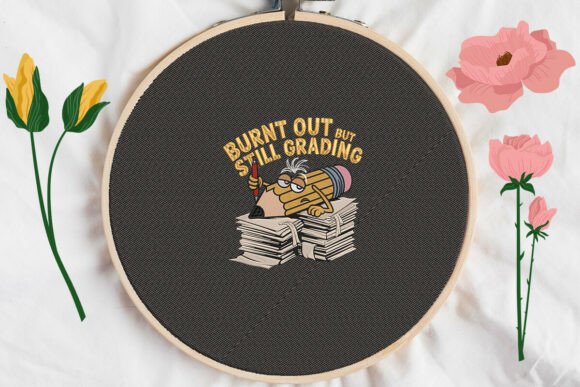
The phrase Burnt out but Still Grading has evolved from a simple meme into a powerful symbol of the modern professional and creative struggle. It captures the specific tension between mental exhaustion and the relentless demand for output. For educators, freelancers, small business owners, and content creators, this state is not just a momentary feeling; it is a workflow reality that requires management. When you are operating in this mode, your primary challenge shifts from generating new ideas to maintaining consistency and quality control while your energy reserves are depleted. Understanding how to navigate this state is essential for anyone trying to balance high-volume tasks with personal well-being.
In a broader process context, recognizing the "Burnt out but Still Grading" phase allows you to adjust your expectations and strategies. It often appears during the middle or end of a project lifecycle when initial enthusiasm has faded, but deadlines remain fixed. Whether you are an educator grading final papers, a designer reviewing client proofs, or a manufacturer inspecting finished goods, the cognitive load remains high even if your motivation has dipped. The key to surviving this phase lies in streamlining your execution and finding small sources of inspiration that do not require significant energy investment.
Integrating Inspiration into Exhausted Workflows
When you are deep in the cycle of repetitive tasks, introducing a fresh element can reset your focus without demanding a complete overhaul of your schedule. One effective method is to incorporate tactile, creative breaks that offer immediate visual gratification. For instance, giving your fabrics a stylish update with a delightful embroidery design can serve as a micro-creative session. This approach works because it engages a different part of the brain than the analytical work required for grading or administrative tasks.
This type of creative interlude fits naturally before, during, or after a heavy workload. If you find yourself staring at a screen for too long, stepping away to embellish t-shirts, towels, or home decor provides a physical change of pace. The act of watching a machine execute a vibrant and imaginative flair on a textile surface offers a sense of completion and progress that digital tasks often lack. It is a low-stakes environment where you can experiment with color and texture, effectively lowering the pressure of your primary job while still engaging your creative faculties.
Choosing the Right Tools for Efficiency
To make these creative breaks truly effective within a tight schedule, tool compatibility is paramount. You cannot afford to spend hours troubleshooting file formats when you are already running on fumes. This is why selecting a resource like a machine embroidery design that comes with multiple embroidery file formats is a strategic decision. By ensuring the design works seamlessly with multiple embroidery machines, you eliminate friction points in your workflow.
Efficiency in implementation means having assets ready to go. When you choose a design that supports various platforms, you gain the flexibility to switch between projects or equipment without losing momentum. This level of preparation aligns with the needs of professionals who must maximize every minute. Whether you are using a hobbyist machine or a commercial-grade unit, the ability to load a file immediately and start stitching ensures that the activity remains a restorative break rather than a technical hurdle.
Workflow Integration for Professionals and Creators
For entrepreneurs and marketers, the concept of "Burnt out but Still Grading" extends beyond literal grading to the review of campaigns, analytics, and deliverables. In these scenarios, the risk of burnout leads to oversight errors and diminished creativity. Integrating a structured, low-energy creative outlet can help maintain the sharpness required for these critical reviews. The process involves scheduling short, focused sessions where you engage with a tangible project, such as updating home decor items with new patterns.
This integration interacts positively with other productivity methods. For example, if you use time-blocking techniques, you might designate a 30-minute block for embroidery instead of scrolling through social media. This active engagement helps clear the mind, allowing you to return to your primary tasks with renewed clarity. The transition from a high-stress digital environment to a rhythmic, mechanical process creates a psychological boundary that protects your mental energy.
- Preparation: Have your fabric and design files pre-loaded before starting your main work session.
- Usability: Select designs that are known for their reliability across different machine models to avoid frustration.
- Organization: Keep a dedicated space for these quick creative tasks so they can be started and stopped instantly.
- Quality Control: Use these moments to test new colors or textures that might inspire future professional projects.
Strategic Implementation Tips
Implementing this dual-focus approach requires a shift in mindset. Instead of viewing the need to grade or review as a burden, frame it as a necessary step in a larger production cycle. Simultaneously, view the creative update of your surroundings as a maintenance task for your own mental machinery. When you add a vibrant and imaginative flair to anything you choose, you are actively curating your environment to be more stimulating and less draining.
Consider the timing of these activities. If you are working on a deadline, a quick embroidery run can serve as a reward mechanism. Completing a small section of a design gives you a dopamine hit similar to checking off a task list item, but without the stress associated with the actual work. This is particularly useful for freelancers and bloggers who often work in isolation. The physical presence of a completed towel or t-shirt serves as a tangible reminder of your capability to create, reinforcing your confidence when you return to the screen.
Long-Term Consistency and Quality
Sustainability is the ultimate goal when managing burnout. Relying on willpower alone is rarely enough to maintain high performance over months or years. By embedding small, enjoyable processes into your routine, you build a system that supports long-term consistency. The versatility of modern digital tools, such as embroidery designs available in multiple formats, ensures that you can adapt these activities to your changing needs and equipment upgrades.
Furthermore, the quality of your output in your primary role often improves when you take these intentional breaks. A rested mind catches errors faster and generates better solutions. When you are no longer fighting against fatigue, your ability to interact with clients, students, or team members becomes more empathetic and effective. The "Burnt out but Still Grading" narrative changes from one of suffering to one of resilience and smart resource management.
Adapting to Your Specific Context
Whether you are a teacher managing a stack of essays or a business owner reviewing inventory, the principles remain the same. Identify the repetitive, draining tasks that define your current phase. Then, identify a tactile, creative counter-balance that fits your interests. If textiles are not your passion, find another medium that offers immediate feedback and variety. However, the specific case of updating fabrics with a stylish embroidery design stands out for its accessibility and the wide range of applications it offers.
You can apply this to personal goals as well. If you aim to improve your home environment, dedicating time to embellish home decor items can transform your living space into a source of joy rather than clutter. This environmental shift supports your overall productivity by reducing visual noise and increasing aesthetic pleasure. It is a practical application of design thinking applied to your own life, proving that small changes can yield significant improvements in daily experience.
Ultimately, the journey through burnout is about finding the right rhythm. It is about acknowledging the weight of the work while refusing to let it extinguish your spark. By utilizing tools that are compatible, efficient, and inspiring, you can navigate the "Burnt out but Still Grading" phase with greater ease. Remember that the goal is not to work harder, but to work smarter, integrating moments of delight and creation into the fabric of your professional day. This balanced approach ensures that you remain productive, creative, and resilient, regardless of the demands placed upon you.