Teacher Wildflowers: A Practical Evaluation of a Trendy Embroidery Design
In the realm of machine embroidery, few motifs manage to balance professional utility with genuine artistic flair as effectively as the Teacher Wildflowers design. This specific pattern has gained traction not merely because it aligns with current botanical trends, but because it addresses a distinct market need for personalized, high-quality textile enhancements that speak to educators and creative professionals alike. For those evaluating digital assets for their business or personal projects, understanding the technical and aesthetic merits of this design is essential before integrating it into a workflow.
The core appeal of Teacher Wildflowers lies in its versatility. Unlike rigid, text-heavy logos often associated with educational themes, this design utilizes organic shapes and flowing lines to create a sense of movement and cheerfulness. It transforms standard items like t-shirts, towels, and home decor pieces into unique artifacts that carry a narrative of appreciation and creativity. However, moving beyond the surface-level aesthetics requires a closer look at how the design performs under the needle, its file compatibility, and its long-term value for various types of creators.
Aesthetic Composition and Visual Impact
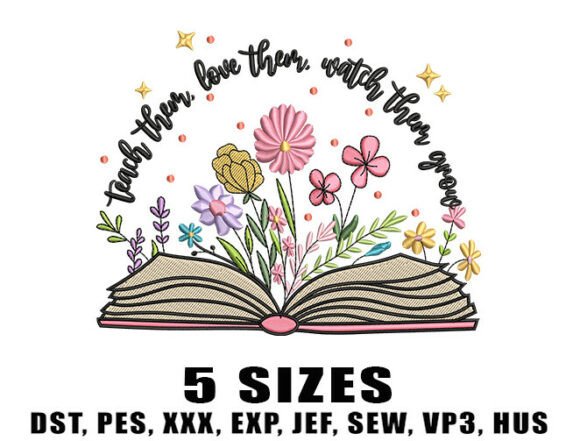
When analyzing the visual structure of Teacher Wildflowers, one immediately notices the deliberate choice of wildflower varieties over formal garden blooms. This decision is significant. Formal flowers can sometimes appear stiff or overly corporate when embroidered on casual fabrics. In contrast, the chaotic yet harmonious arrangement of wildflowers introduces a "dash of character" that feels authentic and approachable.
The color palette typically associated with this design allows for significant customization. While the default settings often feature soft pastels or vibrant spring tones, the stitch density is constructed to handle darker thread options without losing definition. This flexibility is crucial for professionals who need to match brand colors or seasonal collections. The design avoids the common pitfall of overcrowding; instead, it leaves negative space that allows the texture of the underlying fabric to breathe, ensuring the final product looks polished rather than cluttered.
For small business owners selling teacher appreciation gifts or boutique decorators creating custom linens, the visual impact of Teacher Wildflowers serves as a strong selling point. It elevates a generic white towel or a plain cotton tee into a premium item. The artistic touch it adds is subtle enough to be sophisticated yet bold enough to be noticed, striking a balance that many mass-market designs fail to achieve.
Technical Specifications and File Compatibility
A critical factor in evaluating any digital embroidery asset is its technical robustness. One of the primary strengths of the Teacher Wildflowers package is its inclusion of multiple file formats. In the industry, compatibility issues are a frequent source of frustration. Designs locked into a single proprietary format limit the user base and create unnecessary barriers to entry.
This design typically comes with formats such as .PES, .DST, .JEF, .VIP, and .EXP. This breadth ensures that whether a user operates a Brother, Janome, Bernina, Husqvarna Viking, or Pfaff machine, the design is ready to load without complex conversion processes. Conversion software can sometimes alter stitch paths or densities, leading to puckering or dropped stitches. By providing native files for major brands, the Teacher Wildflowers design guarantees consistency in execution.
Furthermore, the stitch count is optimized for efficiency. It is neither so sparse that the image lacks detail nor so dense that it causes excessive thread consumption or fabric distortion. For entrepreneurs running production runs, stitch count directly correlates to time and cost. A well-calibrated design like this reduces the risk of machine errors and minimizes the need for post-embroidery cleanup, streamlining the production workflow significantly.
Performance Across Different Fabric Types
The true test of an embroidery design is its adaptability across various substrates. Teacher Wildflowers demonstrates impressive performance on both woven and knit fabrics. On structured items like tote bags, denim jackets, or canvas home decor, the design holds its shape with precision. The stabilizer requirements are standard for medium-density designs, meaning users do not need specialized heavy-duty backing unless working with very stretchy materials.
On softer items like t-shirts and towels, the design's construction prevents the common issue of "smiling," where the fabric pulls upward around the hoop. The wildflower elements are stitched with a logical sequence that distributes tension evenly. For example, larger petals are often filled with satin or running stitches that allow the fabric to settle naturally, while smaller details use tighter fills to maintain clarity. This attention to detail makes the design reliable for freelancers who may work with a wide variety of client-provided materials.
Practical Applications and Market Fit
Who benefits most from incorporating Teacher Wildflowers into their portfolio? The answer spans several demographics. Educators looking to personalize classroom supplies will find the motif resonant and uplifting. Small business owners specializing in gift shops can leverage this design for back-to-school seasons or Teacher Appreciation Week campaigns. The timing is strategic; the demand for meaningful, non-cliché gifts for teachers is consistent year-round but peaks during specific academic milestones.
Beyond the educational sector, the design fits seamlessly into the broader home decor market. Towels, pillowcases, and table runners featuring this motif add a cheerful, artistic touch to kitchens and bathrooms. The organic nature of wildflowers complements modern farmhouse, bohemian, and cottage-core interior styles, which remain popular among homeowners aged 20–50. For bloggers and content creators in the DIY space, this design offers excellent visual potential for tutorials and social media posts, driving engagement through shareable, aesthetically pleasing results.
Freelancers and hobbyists also gain from the design's ease of use. Because the file is pre-tested and optimized, it lowers the learning curve for those new to machine embroidery. They can achieve professional-looking results without spending hours digitizing or troubleshooting stitch paths. This reliability translates to faster turnaround times for client orders, allowing creators to scale their operations more effectively.
Limitations and Considerations
While Teacher Wildflowers offers substantial value, it is important to acknowledge realistic limitations. Like any floral design, it relies heavily on thread color selection to convey its intended mood. If paired with clashing background fabrics or inappropriate stabilizers, the delicate nature of the wildflowers can become lost. Users must exercise judgment in color matching and material preparation to ensure the design pops as intended.
Additionally, the size of the design matters. While it scales reasonably well, extremely small hoops may compress the intricate details of the petals, reducing the overall visual impact. Conversely, scaling it too large without adjusting the stitch density could lead to loose threads or gaps. Creators should always run a test piece on scrap fabric before committing to a final product, especially when experimenting with different hoop sizes or fabric weights.
Another consideration is the target audience's taste. While the "cheerful and artistic" vibe appeals to many, it may not suit every brand identity. Companies aiming for a strictly minimalist or ultra-modern aesthetic might find the floral motif too traditional. Therefore, while the design is versatile, it is not universally applicable to every project context.
Long-Term Value and Workflow Integration
From a resource management perspective, investing in high-quality designs like Teacher Wildflowers offers long-term value. Unlike trending graphics that fade quickly, botanical themes have enduring appeal. The timeless nature of flowers ensures that products created with this design remain relevant season after season. For publishers and marketers building a catalog of digital assets, this longevity protects against obsolescence.
Integrating this design into a workflow is straightforward due to its multi-format availability. It eliminates the need for third-party conversion tools, saving both money and time. The consistency of the output builds trust with clients who expect reliable quality. Over time, a library of well-performing designs becomes a competitive advantage, allowing creators to focus on marketing and sales rather than troubleshooting technical glitches.
In conclusion, Teacher Wildflowers stands out as a practical, high-quality asset for anyone involved in textile customization. Its blend of aesthetic charm and technical reliability makes it a valuable addition to the toolkit of professionals, entrepreneurs, and serious hobbyists. By offering a solution that enhances fabrics with character while maintaining operational efficiency, it meets the demands of a discerning market. Whether used for commercial production or personal crafting, this design delivers a consistent, cheerful result that resonates with its intended audience.