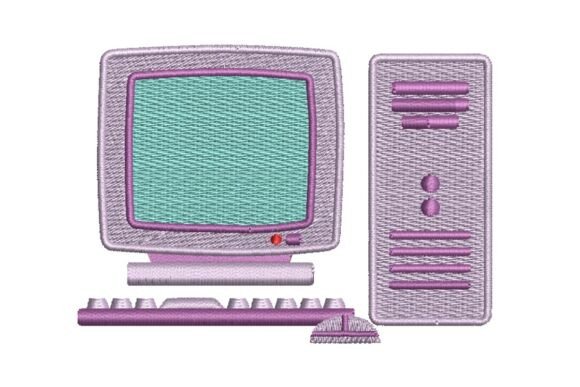
Retro Computer: A Nostalgic Stitch for the Modern Maker
The digital landscape is currently experiencing a fascinating paradox. While we rush toward artificial intelligence, cloud computing, and immersive virtual realities, there is a growing, tangible hunger for the physical artifacts of the past. This resurgence is not merely about collecting old hardware; it is about integrating the aesthetic of earlier eras into contemporary creative workflows. At the forefront of this movement is the Retro Computer design, specifically when reimagined through the lens of vintage desktop computer embroidery with pastel colors. This unique fusion creates a visual language that speaks directly to tech lovers, 90s enthusiasts, and anyone drawn to the emerging "geek-chic" lifestyle.
What was once considered obsolete technology has been reclaimed as a symbol of authenticity and warmth. The bulky beige towers, chunky CRT monitors, and colorful keyboard layouts of the 1980s and 1990s are no longer just relics in a basement; they are design motifs adorning tote bags, denim jackets, and home decor. By translating these pixelated icons into thread, creators are bridging the gap between hard tech and soft craft, offering a tactile connection to a digital history that many find comforting in an increasingly abstract world.
The Rise of Geek-Chic and Pastel Aesthetics
The shift toward geek-chic represents a broader cultural evolution where niche interests become mainstream fashion statements. For decades, technology was marketed with cold, sterile imagery—silver, black, and white dominating the palette. However, the current trend favors nostalgia wrapped in softness. This is where the specific combination of a Retro Computer silhouette and pastel color palettes becomes so effective. Instead of the harsh neon greens or stark blacks often associated with early coding terminals, modern embroidery designs utilize mint greens, baby blues, lavender, and soft pinks.
This color strategy serves a dual purpose. First, it aligns with the Y2K and 90s revival trends that have swept through social media platforms like TikTok and Instagram. Second, it makes the subject matter more approachable. A high-contrast, aggressive tech logo might appeal to a hardcore gamer, but a pastel-rendered vintage monitor appeals to a wider audience, including educators, freelancers, and parents who grew up with these machines. It transforms a symbol of work and utility into an object of affection and style.
For professionals and entrepreneurs, this aesthetic offers a way to signal their identity without shouting. Wearing a hoodie featuring a machine-embroidered retro PC in soft tones suggests a deep appreciation for the roots of the industry while maintaining a polished, modern look. It is a subtle nod to the "maker" culture, acknowledging that behind every sleek smartphone is a lineage of clunky, beloved, and often frustratingly complex machines that paved the way.
Why Vintage Desktop Embroidery Resonates Now
The popularity of vintage desktop computer embroidery is not accidental; it is a response to the rapid pace of modern life. In an era where software updates render devices obsolete within months, there is a profound desire for permanence. Physical objects, especially those crafted by hand or machine, carry a weight that digital files lack. When a creator stitches a Retro Computer onto fabric, they are engaging in an act of preservation.
This trend also reflects a changing habit in how people consume technology. We are seeing a return to "slow tech," where users prefer devices with long lifespans and repairable parts. The aesthetic of the vintage desktop mirrors this philosophy. It celebrates the visible screws, the distinct buttons, and the sheer presence of the machine. Unlike the seamless glass slabs of today, the computers of the 90s had personality. Embroidery captures that personality perfectly, using texture and dimension to replicate the bulk and character of the original hardware.
Furthermore, the rise of remote work and home offices has changed our environment. People are spending more time in their personal spaces, leading to a desire to decorate them with items that reflect their passions. A wall hanging or a cushion cover featuring a pastel retro computer design adds a layer of personality to a home office that generic corporate art cannot match. It turns a workspace into a sanctuary that honors the user's journey from the dial-up days to the present moment.
Practical Applications for Creators and Businesses
For small business owners, bloggers, and content creators, the versatility of this design is a significant asset. Whether you are running a tech blog, selling handmade goods on Etsy, or managing a marketing agency with a focus on digital heritage, having access to high-quality machine embroidery files allows for consistent branding across various mediums.
- Merchandise and Apparel: The design translates exceptionally well onto canvas tote bags, denim patches, and cotton t-shirts. The pastel color scheme ensures that the merchandise feels fresh and wearable, rather than looking like dated promotional material.
- Home Decor: Beyond clothing, these designs are perfect for creating custom pillowcases, table runners, or even framed textile art. This opens up new revenue streams for crafters looking to diversify their product lines beyond standard apparel.
- Event Branding: Tech conferences, maker fairs, and 90s-themed parties can use these embroidered elements for badges, banners, and giveaways. The tactile nature of embroidery stands out in a sea of printed plastic stickers.
The key to success lies in the quality of the digitization. A poorly stitched design can ruin the aesthetic, turning crisp pixels into muddy blobs. That is why the availability of multiple file formats is crucial. Professional embroiderers know that different machines require different languages. Having a design available in .PES, .DST, .JEF, and other common formats ensures that the intricate details of the Retro Computer—from the curve of the monitor to the individual keys on the keyboard—are rendered accurately regardless of the equipment used.
Technical Versatility and Workflow Integration
One of the most practical aspects of this design is its adaptability across various embroidery machines. From hobbyist models found in home sewing rooms to industrial multi-head machines used in production facilities, the design files are optimized to perform reliably. This flexibility supports the diverse needs of the modern creative economy. A freelancer working from a home studio can produce one-off custom pieces, while a larger manufacturer can scale production for a boutique brand launch.
The inclusion of multiple file formats removes a significant barrier to entry. Often, creators must purchase expensive conversion software or pay third-party services to translate designs. By providing the necessary formats upfront, the workflow becomes smoother and more efficient. This allows the creator to focus on what matters most: the placement, the fabric choice, and the final presentation.
Moreover, the design's structure accounts for the limitations and strengths of thread. Unlike digital graphics, which can be infinitely scaled, embroidery relies on stitch density and underlay. A well-crafted Retro Computer pattern balances detail with durability. It avoids overly dense areas that might cause puckering on lighter fabrics while ensuring that the pastel colors remain vibrant and distinct. This attention to technical detail is what separates a generic clip-art download from a professional-grade embroidery resource.
Embracing the Evolution of Digital Heritage
As we move further into the future, the definition of "vintage" will continue to shift. What is considered retro today will become antique tomorrow. However, the emotional connection to the early days of personal computing remains strong. The Retro Computer design serves as a touchstone, a reminder of the excitement that came with booting up a machine for the first time, hearing the modem handshake, or saving a document to a floppy disk.
By incorporating these elements into embroidery, we are not just copying an image; we are preserving a feeling. The pastel colors soften the memory, making it palatable for a new generation that may never have used a CRT monitor but understands the value of analog experiences in a digital age. This blend of nostalgia and modern craftsmanship is likely to endure, evolving as new subcultures discover the charm of the past.
For the curious reader, the professional, or the dedicated hobbyist, exploring this niche offers a rewarding creative outlet. It invites experimentation with textures, colors, and materials. It encourages a deeper understanding of the tools we use and the history that shaped them. Whether you are stitching a single patch for your own jacket or launching a line of geek-chic accessories, the vintage desktop computer design provides a rich, meaningful foundation. It is a testament to the idea that technology, at its heart, is human—and sometimes, the best way to honor that humanity is to slow down, pick up a needle, and stitch the past into the present.