Read Books: A Whimsical Embroidery Design for Personalized Fabrics
In the world of machine embroidery, designs that combine functionality with narrative appeal often stand out. The Read Books embroidery design is a prime example of this trend, offering a charming and whimsical motif centered around the joy of reading. Whether applied to t-shirts, towels, or home decor items, this design aims to add a distinct personality to fabric projects. For crafters, hobbyists, and small business owners evaluating their next purchase, understanding the specific attributes, file compatibility, and practical applications of the Read Books pattern is essential for making an informed decision.
Understanding the Read Books Design Concept
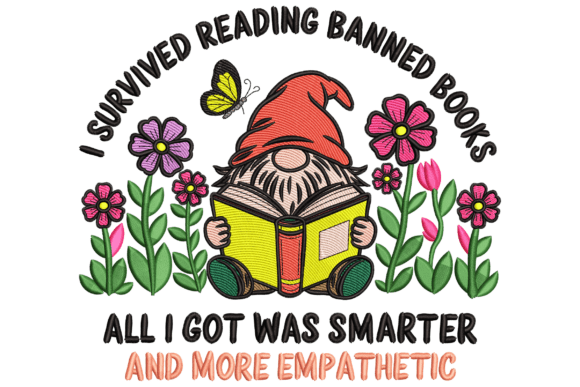
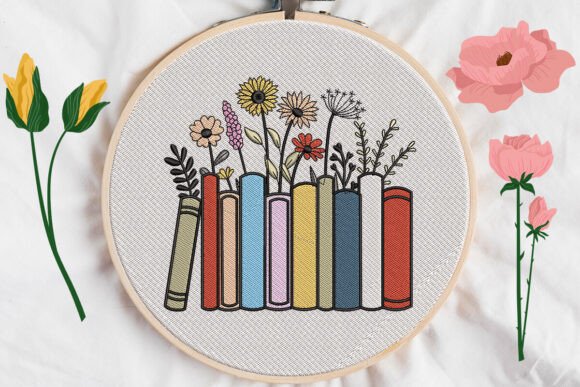
The Read Books design is not merely a textual representation; it is a visual composition intended to evoke the cozy atmosphere of a library or a quiet afternoon with a novel. Typically, such designs feature stylized books, perhaps stacked or open, often accompanied by complementary elements like glasses, teacups, or foliage to create a balanced aesthetic. The "whimsical" nature mentioned in its description suggests a departure from rigid, realistic imagery in favor of softer lines, playful proportions, and a sense of movement.
For those researching machine embroidery patterns, the core value of Read Books lies in its thematic versatility. It appeals to book lovers, librarians, teachers, and students, making it a strong candidate for gifts or merchandise. Unlike abstract geometric patterns, this design carries immediate semantic meaning, allowing the wearer or owner to communicate a personal interest without using words. This communicative power is a significant factor for individuals looking to customize apparel or home goods with intentionality.
Evaluating Technical Compatibility and File Formats
A critical consideration when selecting any digital embroidery pattern is technical compatibility. The Read Books design comes packaged with multiple embroidery file formats. This is a substantial advantage in the current market, where embroidery machines are manufactured by various brands, each utilizing proprietary software languages. Common formats often include .PES (Brother/Babylock), .DST (Tajima/Jean Machine), .EXP (Bernina), and .JEF (Janome).
Having access to these diverse formats ensures that the design can be used across a wide range of machines, from entry-level home models to more advanced multi-needle commercial units. However, users should still verify their specific machine's requirements. While the inclusion of multiple formats reduces the need for third-party conversion software, it does not guarantee perfect stitching on every single device without minor adjustments. Users must consider their machine's hoop size capabilities and maximum stitch count limits. If the Read Books design is large or dense, it may require splitting into sections for smaller hoops, which adds time to the production process.
Benefits of Multi-Format Availability
- Flexibility: Users can switch between different machines without purchasing new files.
- Future-Proofing: If a user upgrades their equipment, the existing file collection remains usable.
- Community Sharing: Files are easier to share within crafting groups where members own different brands of machines.
Ideal Applications and Fabric Considerations
The description highlights t-shirts, towels, and home decor as primary use cases. Each of these applications presents unique challenges and opportunities for the Read Books design.
T-Shirts and Apparel: Applying this design to cotton or blended t-shirts is straightforward, provided the correct stabilizer is used. The whimsical style works well on casual wear, adding a touch of intellectual charm to everyday clothing. However, stretchy fabrics like jersey knit require careful attention to stitch density to prevent puckering. The design's outline stitches must be secure enough to hold the shape without distorting the fabric when stretched.
Towels and Textiles: Towels present a different texture challenge due to their looped pile. Embroidery on towels requires a cut-away stabilizer and potentially a walking foot or specialized hoop to ensure the needle penetrates evenly. The Read Books motif, with its likely combination of fill and satin stitches, can look elegant on bath linens, transforming a generic towel into a personalized gift. The key is ensuring the design is not so dense that it creates a stiff patch on the soft towel surface.
Home Decor: Items like pillowcases, tote bags, and table runners offer stable surfaces ideal for detailed embroidery. On these items, the design can serve as a focal point. The durability of the stitching becomes less of a concern regarding stretching, but colorfastness and thread quality become paramount, especially for items that will be washed frequently.
Tradeoffs and Practical Considerations
While the Read Books design offers clear benefits, potential buyers should weigh certain tradeoffs. One primary consideration is the level of detail versus stitch count. Highly detailed whimsical designs often have higher stitch counts, which increases the time required to complete the project. For a crafter producing items for sale, time is money. A design that takes 45 minutes to embroider might be less profitable than a simpler one that takes 10 minutes, depending on the pricing model.
Additionally, the "whimsical" style may not suit every aesthetic preference. Some consumers prefer minimalist, modern, or strictly realistic designs. The playful nature of Read Books might clash with a formal or industrial interior design scheme. Therefore, while the design is versatile, it is not universally applicable to all styles. Buyers should visualize the final product in their specific context before committing.
Another factor is the learning curve for beginners. If the design includes complex underlay settings or specific pull-compensation techniques, novice users might struggle to achieve a professional finish without prior experience. In such cases, the availability of setup instructions or test runs on scrap fabric is crucial.
When to Choose Alternatives
There are scenarios where the Read Books design may not be the optimal choice, and alternatives should be considered. If a project requires extreme durability for high-wear items like work uniforms or heavy-duty canvas bags, a simpler, bolder design with fewer intricate details might be more appropriate. Intricate whimsical patterns can sometimes snag or fray faster on rough surfaces compared to solid block fills.
Furthermore, if the target audience is very young children, the theme of reading might be too subtle. Designs featuring animals, bright primary colors, or cartoon characters might resonate better with toddlers. Conversely, for a corporate event requiring a strict brand identity, a custom logo design would be necessary rather than a generic stock pattern like Read Books.
Finally, cost considerations play a role. If a user needs hundreds of identical items produced rapidly, investing in a custom digitized version optimized specifically for their machine and fabric might yield better results and speed than a general-purpose multi-format file. Custom digitization allows for precise control over stitch direction and density, which can save time and material in mass production scenarios.
Making an Informed Decision
Deciding whether to acquire the Read Books embroidery design depends on aligning the product's features with your specific goals. If you are a hobbyist looking to personalize gifts for friends who love literature, or a small business owner targeting the "bookish" niche, this design offers a ready-made solution that balances charm with technical utility. The inclusion of multiple file formats removes a significant barrier to entry, making it accessible to a broad range of machine owners.
However, success relies on proper execution. Users must account for fabric type, stabilizer selection, and machine limitations. By testing the design on similar materials before final production, crafters can mitigate risks associated with stitch density and fabric distortion. Ultimately, the Read Books design is a valuable tool for those seeking to infuse personality into their textile projects, provided it fits the aesthetic and functional requirements of the intended application.
For those prioritizing speed, minimalism, or highly specific branding, exploring alternative options or custom digitization services may be more prudent. But for the majority of users looking for a fun, recognizable, and technically flexible pattern, Read Books represents a solid investment in expanding their creative repertoire.