Navigating Creative Horizons: The Long Distance Map Embroidery Design
In the realm of textile arts, the intersection of navigation and needlework offers a unique canvas for storytelling. The concept of a Long Distance Map has evolved from a purely functional tool for travelers into a sophisticated aesthetic element within machine embroidery. This specific design motif captures the essence of exploration, memory, and connection, transforming simple fabric into a narrative piece. Whether you are a professional decorator, a hobbyist looking to personalize gifts, or a small business owner seeking a niche product, understanding how to utilize this design effectively can elevate your creative output significantly.
The Narrative Power of Cartographic Stitching
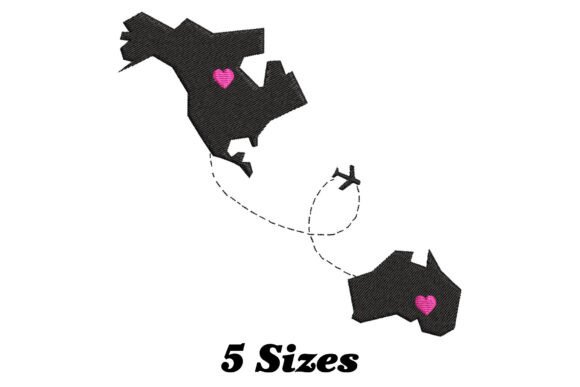
Embroidery has always been about more than just decoration; it is a method of imprinting meaning onto material culture. When we introduce a Long Distance Map into an embroidery project, we are tapping into a deep human desire to document journeys. Unlike static printed graphics, embroidered maps possess texture and depth that engage the senses in a unique way. The raised stitches mimic the topography of the land, while the choice of thread colors can represent different terrains, waterways, or emotional tones associated with a specific route.
This design is particularly compelling because it bridges the gap between the digital age and traditional craftsmanship. In a world where GPS provides instant directions, a physical representation of a journey—stitched by hand or machine—becomes a tangible artifact of experience. It serves as a reminder of the miles traveled, the places visited, and the connections made across vast distances. For creators, this adds a layer of sentimental value that mass-produced items simply cannot replicate.
Technical Versatility Across Fabric Types
One of the primary advantages of the modern machine embroidery version of the Long Distance Map is its adaptability. The design files are engineered to maintain clarity and structural integrity across a wide variety of substrates. This versatility is crucial for professionals who need to offer diverse product lines without compromising quality.
- T-Shirts and Apparel: On cotton blends and jersey knits, the map design works exceptionally well as a chest logo or a back print. The flexibility of the stitch density ensures that the fabric remains comfortable and breathable, avoiding the "plastic" feel often associated with heavy vinyl transfers.
- Towels and Bath Linens: The looped texture of terry cloth presents a unique challenge, but high-quality digitized map designs account for this. The stitches sit atop the loops, creating a subtle, tactile contrast that feels luxurious rather than intrusive.
- Home Decor Items: From throw pillows to wall hangings, stiffer fabrics like linen or canvas provide a stable foundation for intricate map details. Here, the design can be larger and more detailed, serving as a focal point in a room's decor.
Understanding the interaction between the stitch pattern and the fabric grain is essential for achieving professional results. A well-digitzed Long Distance Map file will include appropriate underlay stitches to stabilize the fabric before the decorative satin or fill stitches are applied, preventing puckering and ensuring longevity.
Workflow Integration for Creators and Businesses
For business owners and serious hobbyists, the efficiency of the workflow is just as important as the final aesthetic. The availability of multiple embroidery file formats is a critical feature that streamlines production. Different embroidery machines require specific file types to interpret the design data correctly. Common formats include .PES for Brother machines, .DST for Tajima industrial hoops, .JEF for Janome, and .EXP for Bernina.
Having a single design available in these various formats eliminates the need for costly third-party conversion software, which can sometimes introduce errors or distort the delicate lines of a map. This direct compatibility allows creators to move seamlessly from design selection to production. Imagine a scenario where a custom gift shop receives an order for a wedding anniversary towel featuring a map of the couple's honeymoon route. With a multi-format file set, the shop owner can immediately load the design into their preferred machine, regardless of the brand, and begin stitching without delay.
Customization and Personalization Strategies
The true charm of the Long Distance Map design lies in its potential for customization. While the base design provides the framework, the creator holds the power to tailor it to specific needs. This level of personalization is what drives consumer engagement and brand loyalty in the current market.
- Route Highlighting: Creators can adjust the color palette to highlight specific routes on the map. Using contrasting thread colors for highways versus local roads can add visual interest and guide the viewer's eye through the design.
- Adding Text Elements: Many users choose to add dates, names, or coordinates near the map. This transforms a generic image into a specific memory marker. For example, adding "New York to Paris 2023" next to the Atlantic crossing line adds immediate context.
- Scale Adjustments: Depending on the hoop size and the intended application, the map can be scaled up or down. It is important to note that while scaling is possible, extreme reductions may cause loss of detail in smaller text or road markers. Professional digitizing ensures that the design remains legible at various sizes.
These customization options make the design suitable for a broad audience, including educators who might use them for geography projects, researchers documenting field work locations, or families commemorating relocations.
Aesthetic Considerations and Color Theory
When applying a cartographic design to textiles, color theory plays a pivotal role in the overall impact. Maps traditionally rely on a specific palette: blues for water, greens for land, and yellows or reds for roads. However, in embroidery, these conventions can be adapted to suit the surrounding environment or the mood of the project.
For home decor, using muted, earthy tones can create a vintage, antique map look that complements rustic or bohemian interiors. Conversely, bright neon threads can give the design a modern, urban edge, making it perfect for streetwear fashion. The interplay of light on the metallic sheen of certain threads can also mimic the reflection off water bodies, adding a dynamic quality to the piece that changes as the viewer moves around it.
Furthermore, the texture created by the embroidery itself contributes to the aesthetic. Satin stitches along the coastlines provide a smooth, glossy finish, while fill stitches in the landmasses offer a matte, textured surface. This combination creates a sense of depth that flat printing cannot achieve. The Long Distance Map design leverages these textural differences to create a three-dimensional effect, making the map appear to rise from the fabric.
Practical Applications in Education and Research
Beyond commercial and personal use, the Long Distance Map embroidery design finds valuable applications in educational and research settings. Educators can use these designs to create tactile learning tools for students with visual impairments or those who benefit from kinesthetic learning styles. Feeling the raised lines of a coastline or a mountain range helps reinforce geographical concepts in a way that two-dimensional images cannot.
Researchers and explorers often seek unique ways to document their travels. An embroidered map serves as a durable, artistic logbook entry. Unlike paper journals that can degrade over time due to moisture or wear, embroidered records are washable and long-lasting. They can be incorporated into field gear, such as backpacks or jackets, serving as a badge of honor that signifies the breadth of one's exploration.
Optimizing the Machine Embroidery Process
To achieve the best results with this design, attention to the technical setup of the embroidery machine is paramount. Proper hooping is the first step; the fabric must be taut enough to prevent shifting but not so tight that it distorts the weave. For stretchy fabrics like t-shirts, using a stabilizer that matches the weight of the fabric is essential. Tear-away stabilizers work well for towels, while cut-away stabilizers provide better support for garments that will undergo frequent washing.
Thread tension is another critical factor. Since maps involve many small, intricate details, inconsistent tension can lead to broken threads or skipped stitches, obscuring the fine lines of the map. Regularly checking and adjusting the tension based on the thread type and fabric weight ensures a clean finish. Additionally, selecting the right needle size prevents damage to the fabric and ensures smooth thread passage.
The Long Distance Map design is optimized for speed and efficiency, reducing the number of thread trims and jumps. This not only speeds up production but also minimizes waste, which is a significant consideration for businesses aiming to reduce their environmental footprint. By minimizing the amount of loose thread left inside the fabric, the finished product requires less post-production cleanup, allowing creators to focus on packaging and delivery.
Future Trends in Textile Navigation
As technology advances, the integration of digital mapping data with traditional crafts continues to evolve. We are seeing a trend towards hyper-localized designs, where maps are generated from specific GPS tracks recorded by individuals. This allows for the creation of truly unique pieces that trace the exact path of a hike, a run, or a road trip. The Long Distance Map design serves as the foundation for this movement, providing a robust template that can be easily modified to fit these personalized data sets.
Moreover, the demand for sustainable and eco-friendly products is driving innovation in thread materials. Organic cotton threads and recycled polyester options are becoming more popular, aligning with the values of environmentally conscious consumers. Combining these sustainable materials with a timeless design like a map creates a product that is both aesthetically pleasing and ethically responsible.
In conclusion, the Long Distance Map machine embroidery design represents a convergence of art, technology, and personal expression. Its ability to transform ordinary fabrics into meaningful artifacts makes it a versatile tool for a wide range of users. From the practical benefits of multi-format compatibility to the emotional resonance of capturing a journey in thread, this design offers endless possibilities for creativity. Whether used for professional product development or personal hobbies, it stands as a testament to the enduring appeal of mapping our world, one stitch at a time.