Huge Museum of History and Industry: A Design Resource for Creators
The intersection of historical preservation and modern textile arts creates a unique space for creativity. At the heart of this convergence is the concept of the Huge Museum of History and Industry, not just as a physical destination, but as a vast repository of visual data that inspires digital patterns and embroidery designs. For professionals, hobbyists, and business owners in the crafting sector, understanding how to translate iconic landmarks into stitchable formats is a valuable skill. This guide explores the utility of these design resources, focusing on clean line art, color management, and practical application.
Understanding the Value of Historical Line Art
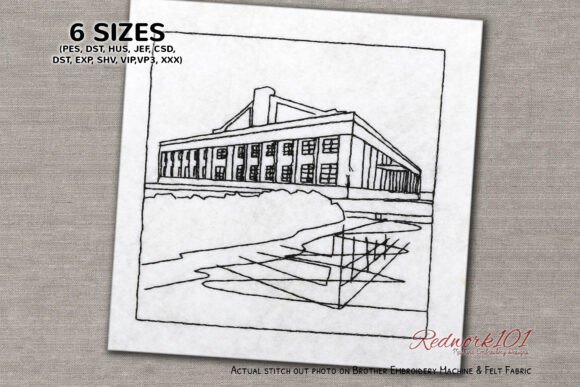
When creators seek inspiration from significant cultural institutions, they often look for clarity and detail. The Huge Museum of History and Industry provides a foundation for such work by offering architectural outlines that capture the essence of a building without overwhelming complexity. These clean, detailed line designs are specifically curated to be perfect for embroidery projects inspired by iconic landmarks. Unlike dense photographic references, line art strips away shadows and textures, leaving only the structural integrity of the subject.
This approach is essential for machine embroidery, where thread density and stitch count can impact the final quality of a garment or home decor item. By utilizing the simplified geometry found in the Huge Museum of History and Industry collection, artists can ensure that their designs remain crisp and recognizable even when scaled down to small hoop sizes. The focus shifts from reproducing every brick to capturing the silhouette and key features that define the museum's identity.
The Role of Structural Clarity in Textile Design
One of the primary challenges in digitizing architectural subjects is maintaining proportion. The line designs associated with the Huge Museum of History and Industry address this by emphasizing strong verticals and horizontals. This structural clarity allows embroiderers to map out their stitch paths more efficiently. When a design has clear boundaries, the risk of "running stitches" or unintended gaps decreases significantly.
For business owners who sell custom apparel featuring local landmarks, using these refined outlines ensures consistency across batches. Whether producing a batch of 50 t-shirts or a single custom jacket, the underlying vector logic remains sound. This reliability is a cornerstone of professional embroidery services, where client expectations for precision are high.
Navigating Color Options and Stitch Techniques
A critical aspect of working with the Huge Museum of History and Industry designs is managing color palettes and stitch types. Many users assume that a design must be executed exactly as pictured, but flexibility is often built into these files. A notable feature in many of these patterns is the inclusion of a box stitch, which serves as a framing element or a background fill. However, it is important to note that the box stitch shown in reference images is optional.
Creatives should feel empowered to modify the design to suit their specific aesthetic goals. If a project requires a minimalist look, the box stitch can be omitted entirely without compromising the integrity of the main image. This adaptability makes the Huge Museum of History and Industry designs versatile for various applications, from intricate sampler pieces to bold, standalone logos.
Managing Outer Box Colors in Machine Embroidery
Color management is another area where user control is paramount. In most of the designs derived from the Huge Museum of History and Industry, the color of the outer box differs from the rest of the composition. This contrast is intended to make the landmark pop against the fabric. However, this default setting is not mandatory. Unless the color variation is an intrinsic part of the artistic design itself, it can be altered or removed.
Practical guidance for machine operators suggests that you can skip the color directly in your machine if you do not want it. Modern embroidery software and machines allow for easy color skipping or reassignment. This feature is particularly useful when:
- Matching Brand Colors: Business owners may need the frame to match a corporate logo rather than the standard contrast color.
- Conserving Thread: Skipping a color stop reduces waste and speeds up production time.
- Adapting to Fabric: On dark fabrics, a light-colored box might be unnecessary if the main design already provides sufficient contrast.
Real-World Applications and Use Cases
The versatility of the Huge Museum of History and Industry designs extends beyond simple decoration. They serve as functional assets for a wide range of industries. Understanding where and how to apply these designs can maximize their value for both individual creators and commercial enterprises.
Tourism and Souvenir Markets
Local tourism boards and gift shops frequently seek authentic representations of regional landmarks. The clean line art of the Huge Museum of History and Industry offers a sophisticated alternative to generic clip art. By embroidering these designs onto tote bags, caps, or scarves, vendors can offer high-quality souvenirs that celebrate local heritage. The detailed nature of the lines ensures that even at smaller scales, the museum remains identifiable, fostering a sense of place for visitors.
Corporate Gifting and Branding
Companies operating in the history, education, or industrial sectors may find these designs particularly relevant. Incorporating the museum's outline into employee uniforms, conference swag, or promotional items adds a layer of intellectual depth to branding. The ability to customize the outer box color allows businesses to align the design with their existing brand guidelines seamlessly. This customization turns a generic landmark image into a tailored marketing tool.
Educational Projects and Community Engagement
Schools and community centers often use embroidery as a teaching tool for history and art. The Huge Museum of History and Industry designs provide a structured starting point for students to learn about digitization, thread tension, and fabric selection. Because the designs are clean and well-defined, they reduce the frustration often associated with complex patterns, allowing learners to focus on technique rather than troubleshooting errors.
Evaluating Suitability for Your Projects
Before integrating the Huge Museum of History and Industry designs into a workflow, it is wise to evaluate their suitability for specific needs. While these resources are robust, they may not fit every scenario perfectly. Considerations include the type of fabric, the size of the hoop, and the desired level of detail.
Key factors to consider include:
- Fabric Texture: Highly textured fabrics like denim or canvas can obscure fine lines. In such cases, increasing the stitch density or simplifying the design further may be necessary.
- Stitch Count Limits: Some commercial machines have limits on stitch counts per job. If the full Huge Museum of History and Industry design exceeds this limit, removing the optional box stitch can help reduce the total count.
- Target Audience: Assess whether the audience prefers a vintage, hand-drawn look or a sharp, modern aesthetic. The line style of these designs leans towards the latter, making them ideal for contemporary applications.
Limitations and Practical Expectations
It is also important to manage expectations regarding the limitations of digital embroidery. No matter how clean the original line art, the medium of thread introduces variables such as shrinkage, puckering, and color blending. The Huge Museum of History and Industry designs are optimized for standard embroidery conditions, but testing on a scrap piece of the actual fabric is always recommended.
Furthermore, while the designs are detailed, they are not photographs. They rely on the viewer's familiarity with the landmark to fill in the gaps. If the target audience is unfamiliar with the Museum of History and Industry, additional context or labeling within the design might be required to ensure recognition.
Conclusion
The Huge Museum of History and Industry represents more than just a building; it is a source of endless creative potential for the textile arts community. By leveraging its clean, detailed line designs, creators can produce high-quality embroidery projects that honor iconic landmarks. The flexibility to omit optional elements like the box stitch and to customize outer box colors empowers users to tailor each piece to their specific vision.
Whether you are a professional embroiderer looking to expand your catalog, a business owner seeking unique merchandise, or a hobbyist exploring new techniques, these designs offer a reliable and inspiring foundation. With careful planning and an understanding of machine capabilities, the transition from digital file to stitched masterpiece becomes a seamless and rewarding process. Embracing these resources allows for a deeper connection between history, industry, and the enduring craft of needlework.