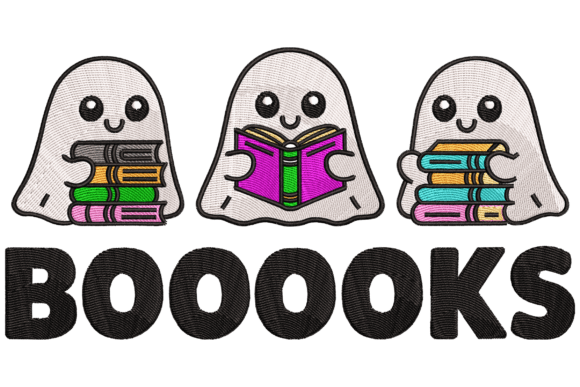
Ghosts with Books: A Strategic Approach to Thematic Branding and Creative Execution
In the competitive landscape of creative entrepreneurship, the selection of a visual motif is rarely just an aesthetic choice; it is a strategic decision that influences brand perception, customer engagement, and market positioning. The Ghosts with Books machine embroidery design represents more than a whimsical pattern of spectral figures holding literature. It serves as a versatile asset for professionals aiming to inject personality into functional products while maintaining a cohesive narrative identity. Whether you are a small business owner launching a seasonal collection, an educator creating classroom materials, or a hobbyist refining a personal portfolio, understanding how to leverage this specific design can transform standard textiles into high-value, story-driven assets.
The core value of Ghosts with Books lies in its ability to bridge the gap between seasonal trends and year-round intellectual curiosity. Unlike generic Halloween imagery that often relies on fear or overt spookiness, this design combines the supernatural with the scholarly. This duality allows for a broader application across various demographics, appealing to book lovers, educators, librarians, and those who appreciate "cozy" aesthetics. By integrating this design into your product line, you are not merely adding a graphic; you are signaling a brand ethos that values creativity, learning, and a touch of playful mystery.
Strategic Positioning and Brand Identity
For entrepreneurs and marketers, the primary challenge is differentiating products in a saturated market. A t-shirt or towel is a commodity until it carries a distinct message. The Ghosts with Books motif offers a unique angle for differentiation. When applied strategically, it positions a brand as one that understands nuance. It moves away from the loud and aggressive marketing tactics often seen in seasonal retail and adopts a softer, more thoughtful approach.
Consider the target audience for this design. It resonates deeply with adults aged 20–50 who identify as lifelong learners or avid readers. These consumers are often looking for merchandise that reflects their interests without being overly literal. A tote bag featuring a ghost engrossed in a novel speaks to a shared passion for literature, creating an immediate emotional connection. This connection is the foundation of customer loyalty. When a consumer sees their own values reflected in a product, the perceived value of that item increases, allowing for better pricing strategies and higher profit margins.
Furthermore, using Ghosts with Books allows for cross-category branding. Because the imagery is not strictly tied to a single holiday but rather to the concept of reading and the afterlife, it can be utilized in campaigns for libraries, independent bookstores, educational institutions, and literary festivals. This versatility extends the lifecycle of the design beyond October, providing long-term utility for your inventory planning.
Enhancing Customer Experience Through Narrative
Modern consumers crave stories. They do not just buy objects; they buy the narrative associated with them. The Ghosts with Books design provides a ready-made story hook. When you stitch this onto home decor items like throw pillows or table runners, you are inviting the customer into a world where the boundaries between the mundane and the magical blur. This narrative layer enhances the customer experience by making the product feel curated and intentional.
For freelancers and creators, this design can serve as a signature element in custom orders. Imagine offering a service where clients can choose from a library of designs, with Ghosts with Books as the premium option for book clubs or author events. This creates a tiered service model that adds depth to your offerings. It demonstrates an understanding of niche markets and shows that you are willing to invest in specialized assets that cater to specific community needs.
Operational Efficiency and Technical Implementation
From an operational standpoint, the adoption of machine embroidery designs like Ghosts with Books requires careful consideration of workflow and technical compatibility. One of the most significant advantages of this specific design is its availability in multiple file formats. In the world of digital manufacturing, file compatibility is a critical factor in reducing friction and preventing costly errors.
Having access to various formats ensures that the design can be seamlessly integrated into diverse production environments. Whether you are using a domestic hoop machine for small-batch customization or an industrial multi-head system for larger runs, the ability to convert or import the design without loss of quality is essential. This flexibility minimizes downtime and allows for rapid prototyping. You can test the design on different fabric weights and textures before committing to a full production run, ensuring that the final output meets your quality standards.
However, efficiency also depends on material selection. The whimsical nature of the ghosts suggests that the design works best on soft, absorbent, or medium-weight fabrics. T-shirts made from cotton blends, plush towels, and canvas tote bags provide the ideal surface for the intricate details of the books and the flowing lines of the ghosts to stand out. Applying this design to stiff or highly textured materials may obscure the finer details, diminishing the visual impact. Therefore, a strategic approach involves matching the design's complexity with the appropriate substrate to maximize visual clarity and durability.
Planning for Scalability and Seasonality
While the design has year-round appeal, its association with the supernatural makes it particularly potent during the autumn season. Smart planning involves anticipating demand spikes. Entrepreneurs should consider producing limited batches of Ghosts with Books merchandise leading up to September to capture early adopters and gift buyers. This forward-thinking approach prevents stockouts during peak sales periods and allows for adequate time for marketing promotion.
Conversely, relying solely on seasonal demand can lead to overstock issues if the design is not marketed effectively outside of its traditional window. To mitigate this risk, position the design as part of a "Cozy Reading" or "Intellectual Mystery" collection rather than a strict Halloween line. This reframing allows you to sell the product throughout the winter and spring months when people are seeking comfort indoors. By diversifying the context in which the design is presented, you extend its revenue-generating potential and reduce the volatility associated with seasonal inventory.
Risks of Unintentional Application
Despite its versatility, the use of Ghosts with Books is not without risks if deployed without clear goals or context. The primary danger lies in the dilution of brand identity. If a brand known for serious corporate consulting suddenly introduces whimsical ghost imagery without a strategic rationale, it can confuse customers and undermine professional credibility. Consistency is key in branding; every visual element must align with the overarching mission and tone of the organization.
Additionally, there is the risk of poor execution. Machine embroidery requires precision. If the design is stitched with incorrect tension, low-quality thread, or on unsuitable fabric, the result can look messy and unprofessional. This not only wastes materials but can damage the reputation of the creator. A poorly executed design sends a message of carelessness, which is antithetical to the values of quality and attention to detail that the "bookish" theme implies.
Another consideration is copyright and licensing. While many designs are available for purchase, it is crucial to understand the terms of use. Using a design commercially without the proper license can lead to legal complications that far outweigh the benefits of the product. Always verify that the Ghosts with Books files you acquire come with the necessary commercial rights for your specific business model, whether that involves selling finished goods or offering embroidery services.
Decision-Making Framework for Implementation
To ensure that the integration of Ghosts with Books yields positive results, adopt a structured decision-making framework. Begin by defining the objective. Are you trying to increase brand awareness, launch a new product line, or engage a specific community? Once the goal is clear, evaluate whether this design supports that objective. Does it resonate with your target demographic? Does it fit your brand voice?
Next, assess the technical requirements. Do you have the machinery and software capabilities to handle the file formats provided? If not, what resources are needed to bridge that gap? Finally, plan the distribution and marketing strategy. How will you communicate the story behind the design to your customers? Will you highlight the craftsmanship, the humor, or the literary connection?
By approaching the use of Ghosts with Books with intention and strategic foresight, you transform a simple embroidery file into a powerful tool for growth. It becomes more than just a decoration; it becomes a statement of identity, a driver of engagement, and a testament to the power of thoughtful design in a crowded marketplace. Whether stitching onto a single custom order or scaling up for a retail collection, the principles of alignment, quality, and narrative remain constant. Embrace the charm of the design, but anchor it in a solid strategy to achieve lasting success.