Abstract Brain Coral Embroidery Design: A Guide to Choosing and Using Complex Marine Motifs
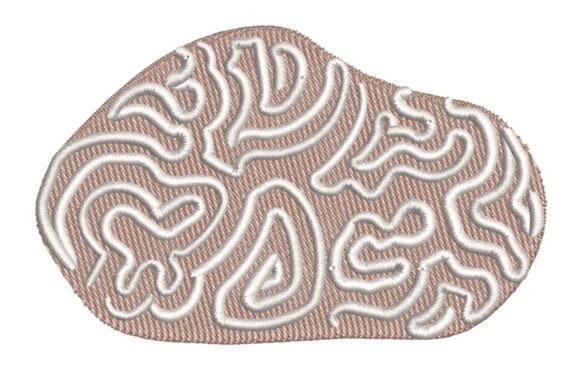
The ocean's floor is a landscape of intricate geometry, nowhere more evident than in the convoluted ridges of brain coral. Capturing this organic complexity in thread requires more than just a simple outline; it demands a design that respects the texture and depth of nature. The Abstract Brain Coral Embroidery Design offers exactly that. By mimicking the specific patterns of Platygyra coral, this motif translates the natural maze-like structure into a stunning textile art piece. It features an irregular, organic shape filled with textured terracotta tones, overlaid with swirling white or light grey paths that mimic the valleys of the reef. For anyone looking to add a sophisticated, nautical touch to apparel, bags, or home decor, this design stands out as a unique alternative to generic seashells or anchors.
However, bringing such a detailed pattern to life on fabric is not without its challenges. Many enthusiasts dive in without understanding how machine embroidery handles high-density textures, leading to puckered fabric, broken threads, or a final product that lacks the intended dimension. Whether you are a hobbyist personalizing a tote bag or a small business owner creating a premium line of marine-themed accessories, understanding the nuances of this specific design is crucial for a successful outcome.
Understanding the Complexity of Organic Patterns
When evaluating an Abstract Brain Coral Embroidery Design, it is easy to be drawn in by the visual appeal of the digital preview. The interplay between the reddish-brown base and the light grey swirls looks seamless on a screen. Yet, the transition from a 2D image to a 3D stitched object introduces variables that often get overlooked. Unlike geometric shapes with straight lines, organic forms rely heavily on curve density and stitch direction to maintain their definition.
The primary allure of this design lies in its ability to convey depth through color and texture. The terracotta fill provides warmth, while the white overlays create the illusion of raised ridges. This makes it ideal for projects where tactile interest is desired, such as denim jackets, canvas backpacks, or heavy cotton pillowcases. However, the very feature that makes it beautiful—the dense, maze-like stitching—is also what makes it prone to technical failure if not managed correctly.
Common Pitfalls When Working with Dense Textures
One of the most frequent mistakes creators make is underestimating the stabilizer requirements for complex fills. Because the Abstract Brain Coral Embroidery Design utilizes a significant amount of satin and fill stitches to create those swirling patterns, the fabric can easily pull or pucker if not supported adequately. Beginners often use a standard tear-away stabilizer, which may hold up during the process but fails to provide the necessary rigidity for the final look, resulting in a wavy, distorted surface that ruins the "brain" effect.
Another common oversight involves the choice of fabric weight. This design is substantial. Placing it on a lightweight silk or thin rayon shirt without proper backing will likely cause the garment to warp. The tension required to push the needle through the dense terracotta sections can distort delicate fibers. Furthermore, many users neglect to consider the hoop size. If the design is too large for the hoop, the fabric cannot be held taut enough to prevent shifting, causing the intricate white swirls to misalign with the brown base.
Color selection is another area where expectations often clash with reality. While the digital file shows crisp contrasts, thread sheen and fiber absorption play a massive role. A matte cotton thread might look dull against a shiny polyester fabric, diminishing the contrast needed to see the maze pattern clearly. Conversely, using highly reflective metallic threads for the white overlay can sometimes create glare that obscures the fine details of the coral ridges.
How These Mistakes Impact Your Final Product
The consequences of ignoring these technical details go beyond a minor aesthetic flaw. Puckering can render a garment unwearable or uncomfortable, especially if the design is placed near a seam or collar. Misaligned stitches break the continuity of the organic flow, making the coral look jagged rather than fluid. In a professional context, such errors can damage a brand's reputation, signaling poor quality control to potential customers.
From a cost-efficiency perspective, wasted materials are a silent killer for small businesses. Re-stitching a design due to stabilizer failure consumes extra thread, time, and labor. For freelancers, the time spent fixing a botched job reduces overall productivity. Moreover, a poorly executed Abstract Brain Coral Embroidery Design fails to communicate the intended message of sophistication and nature-inspired elegance, instead appearing messy or amateurish.
Practical Strategies for Success
To avoid these pitfalls, start by selecting the right foundation. For this specific design, a cut-away stabilizer is almost always superior to a tear-away. Cut-away stabilizers remain permanently attached to the back of the project, providing lasting support that prevents the dense fill stitches from pulling the fabric over time. If you are working on stretchy fabrics like jersey knit, a double layer of stabilizer or a water-soluble topper can help keep the upper layers of the design from sinking into the fabric loops.
Fabric choice is equally critical. Opt for medium-to-heavyweight materials such as denim, twill, canvas, or heavy cotton blends. These fabrics have enough body to withstand the needle penetration and thread density without distorting. If you must use lighter fabric, consider adding a layer of interfacing to stiffen the area before hooping.
Before committing to your final material, always run a test stitch on a scrap piece of the same fabric. This allows you to adjust the machine tension and verify that the colors blend as expected. Pay close attention to the white overlay; if it appears too faint, you may need to increase the stitch density or switch to a brighter, higher-luster thread. Similarly, ensure the terracotta base is dense enough to prevent the white thread from showing through unintentionally.
Evaluating the Design Before You Download or Buy
When sourcing an Abstract Brain Coral Embroidery Design, do not rely solely on the thumbnail image. Request a full-resolution preview or a sample stitch-out if purchasing from a designer. Check the stitch count; a design that is too low in count may lack the detail necessary to define the coral's ridges, while one that is excessively high may take too long to embroider and risk breaking needles.
Look for designs that offer multiple size options. The intricate details of the Platygyra pattern may not scale down well. If the design is shrunk too much, the individual stitches may become indistinguishable, turning the maze into a muddy blob. Ensure the file format is compatible with your machine and that the digitization includes appropriate underlay stitches to lock the fabric in place before the top layers begin.
Finally, consider the placement. Because the shape is irregular and organic, it works best when centered on a flat panel, such as the chest of a hoodie or the front of a tote bag. Avoid placing it across seams or curves where the fabric naturally bends, as this can disrupt the flow of the swirling patterns. By taking these precautions, you ensure that your final piece captures the beauty of the ocean floor with precision and durability.
Final Thoughts on Marine-Inspired Embroidery
The Abstract Brain Coral Embroidery Design is a powerful tool for adding character and depth to textile projects. Its unique combination of earthy tones and intricate patterns offers a fresh take on nautical themes. However, its success depends entirely on the preparation and execution. By respecting the density of the stitches, choosing the right stabilizer and fabric, and testing your settings beforehand, you can transform a complex digital file into a tangible work of art. With careful planning, this design becomes more than just a decoration; it becomes a statement of craftsmanship and appreciation for the natural world.